How to Choose the Right Toothbrush for Your Family
Walking down the dental care aisle at your local store can feel overwhelming with countless toothbrush options lining the shelves. From manual to electric, soft to firm bristles, and kid-sized to adult handles, the choices seem endless. Yet selecting the right toothbrush for each family member is one of the most important decisions you can make for your family's oral health. The right toothbrush doesn't just clean teeth—it protects gums, prevents cavities, and sets the foundation for lifelong dental wellness. Whether you're shopping for your toddler's first brush or upgrading your own oral care routine, understanding what makes a toothbrush effective can transform your family's dental health. Here's everything you need to know to make informed choices that will keep everyone's smile bright and healthy.
1. Understanding Bristle Types and Their Impact on Dental Health
The bristle type is perhaps the most critical factor when choosing a toothbrush, yet it's often the most misunderstood aspect of dental care. Many people assume that firmer bristles clean better, believing that harder scrubbing equals cleaner teeth. However, this couldn't be further from the truth. Dental professionals universally recommend soft-bristled toothbrushes for the vast majority of people, including adults and children. Soft bristles are gentle enough to protect your tooth enamel and delicate gum tissue while still being effective at removing plaque and food particles when used with proper technique.
Medium and hard bristle toothbrushes can actually cause significant damage over time, leading to gum recession, enamel wear, and increased tooth sensitivity. When you brush too aggressively with firm bristles, you're essentially abrading your teeth's protective enamel layer and pushing back your gums, exposing the sensitive root surfaces underneath. This damage accumulates gradually, so you might not notice the harm until you develop sensitivity to hot and cold foods or your dentist points out gum recession during a checkup. The misconception that firmer is better often stems from the immediate feeling of cleanliness, but this sensation comes at the cost of long-term oral health.
For children, soft bristles are especially important because their developing teeth and gums are even more susceptible to damage than adult tissues. Kids also tend to be less precise with their brushing technique, making overly firm bristles particularly risky. Some specialty brushes with extra-soft bristles are designed specifically for people with sensitive teeth, gum disease, or those recovering from dental procedures. These ultra-gentle options can make brushing more comfortable for those who experience discomfort with standard soft bristles.
When examining bristle quality, look for brushes with rounded, polished bristle tips rather than cut or jagged ends. High-quality manufacturers round off the bristle tips to prevent scratching and irritation of your gums and tooth surfaces. You can sometimes see or feel the difference between quality bristles and cheaper alternatives. Investing in brushes with properly finished bristles pays dividends in protecting your family's oral health. Have you ever experienced bleeding gums or sensitivity that might be related to using the wrong bristle type?
2. Manual vs Electric Toothbrushes: Making the Right Choice for Each Family Member
The debate between manual and electric toothbrushes continues to evolve as technology advances, but research consistently shows that both can be highly effective when used properly. The key factor isn't which type you choose but rather how well and consistently you use it. That said, electric toothbrushes offer certain advantages that make them particularly beneficial for specific family members. Understanding these differences can help you decide which option best suits each person's needs, abilities, and preferences.
Electric toothbrushes excel at providing consistent, effective cleaning with less physical effort required from the user. The rotating, oscillating, or sonic vibrating brush heads do most of the work, making them ideal for children who haven't yet mastered proper brushing technique, elderly family members who may have limited dexterity or arthritis, and anyone with braces or other orthodontic appliances that make thorough cleaning more challenging. Many electric models include built-in timers that ensure you brush for the dentist-recommended two minutes, and some even have pressure sensors that alert you when you're brushing too hard, preventing the gum and enamel damage we discussed earlier.
For young children, electric toothbrushes can transform brushing from a chore into an enjoyable activity. Many kid-friendly electric brushes feature favorite characters, play music, or include apps that gamify the brushing experience, encouraging children to brush longer and more thoroughly. However, it's important to choose age-appropriate models designed for children, as adult electric brushes may be too powerful for young mouths and developing teeth. Starting kids with electric toothbrushes around age three can help establish good habits, though some children may need to begin with manual brushes until they're comfortable with the vibration and sound.

Manual toothbrushes remain an excellent choice for many people, especially those who have developed proper technique and prefer the tactile control that manual brushing provides. They're also more portable, require no charging, cost significantly less, and never run out of battery power at inconvenient times. For teens and adults with good brushing habits, manual toothbrushes can be just as effective as electric options. Some people find they can better feel and control the brush head's position with manual brushes, allowing for more precise cleaning around each tooth. The choice often comes down to personal preference, budget, and specific dental needs rather than one option being definitively superior to the other.
3. Size Matters: Choosing the Appropriate Brush Head and Handle
Selecting the correct size toothbrush for each family member is crucial for comfortable, effective cleaning. A brush that's too large can make it difficult to reach back molars and navigate around each tooth properly, while a handle that's too small for an adult's grip won't provide adequate control. The brush head should be small enough to comfortably access all areas of your mouth, including those hard-to-reach back teeth where plaque tends to accumulate. For most adults, this means a brush head that's about half an inch wide and one inch tall, though individual mouth sizes vary.
Children require significantly smaller brush heads designed specifically for their age group and mouth size. Using an adult-sized toothbrush on a child not only makes brushing uncomfortable but also prevents effective cleaning because the oversized head can't properly navigate their smaller mouth structure. Pediatric toothbrushes typically come in categories like infant/toddler (for ages 0-2), preschool (ages 2-4), and child (ages 5-7), with each size thoughtfully designed for that developmental stage. As children grow, gradually transitioning to larger sizes ensures they can continue brushing effectively and comfortably.
Handle design significantly impacts brushing effectiveness and comfort, especially for young children still developing their fine motor skills and older family members who may have arthritis or reduced grip strength. Ergonomic handles with non-slip grips make it easier to maintain control during brushing, ensuring you can reach all tooth surfaces without the brush slipping in your hand. Some brushes feature flexible handles that help absorb excess pressure, preventing you from brushing too hard, while others include thumb grips or angled handles designed to improve reach and maneuverability.
For very young children just learning to brush, consider toothbrushes with chunky, easy-to-grip handles that fit comfortably in small hands. Some children's brushes have extra-wide handles or built-up grips that make them easier for little fingers to control. As kids develop better coordination and strength, they can transition to more standard handle sizes. When shopping for toothbrushes, encourage family members to hold different options and simulate brushing motions to find what feels most comfortable and controllable. The best toothbrush is one that feels natural to use, making it more likely that each person will brush thoroughly and regularly.
4. Special Considerations for Toddlers and Young Children
Introducing proper oral hygiene habits early in life sets the foundation for a lifetime of healthy teeth and gums. For babies and toddlers, choosing the right toothbrush involves special considerations beyond what's necessary for older children and adults. Even before teeth emerge, you should be gently cleaning your baby's gums with a soft, clean, damp cloth or a silicone finger brush designed for infants. Once those first teeth begin to appear, typically around six months of age, it's time to transition to a proper infant toothbrush with extra-soft bristles and a very small head appropriate for a baby's mouth.
Toddler toothbrushes should be age-appropriate with handles designed for both the child's developing grip and the parent's hand, since you'll be assisting with brushing until your child develops adequate dexterity, usually around age six or seven. Many toddler brushes feature dual-design handles that are chunky enough for little hands to grasp while also providing a comfortable grip for parents doing the actual brushing. Look for brushes with cushioned heads and soft bristles that won't harm tender gums or delicate emerging teeth. Bright colors, fun characters, and engaging designs can help make brushing time more appealing for reluctant brushers.
Safety features are paramount when selecting toothbrushes for young children. Ensure the brush has no small detachable parts that could pose choking hazards, and consider options with shields or guards that prevent the brush from going too far back in the child's mouth. Some toddler toothbrushes are designed to stand upright on their own, which can be fun for kids and also more hygienic than laying the brush down on bathroom surfaces. Remember that children under three should use only a rice-grain-sized smear of fluoride toothpaste, while kids three to six can use a pea-sized amount, always under adult supervision to prevent swallowing.

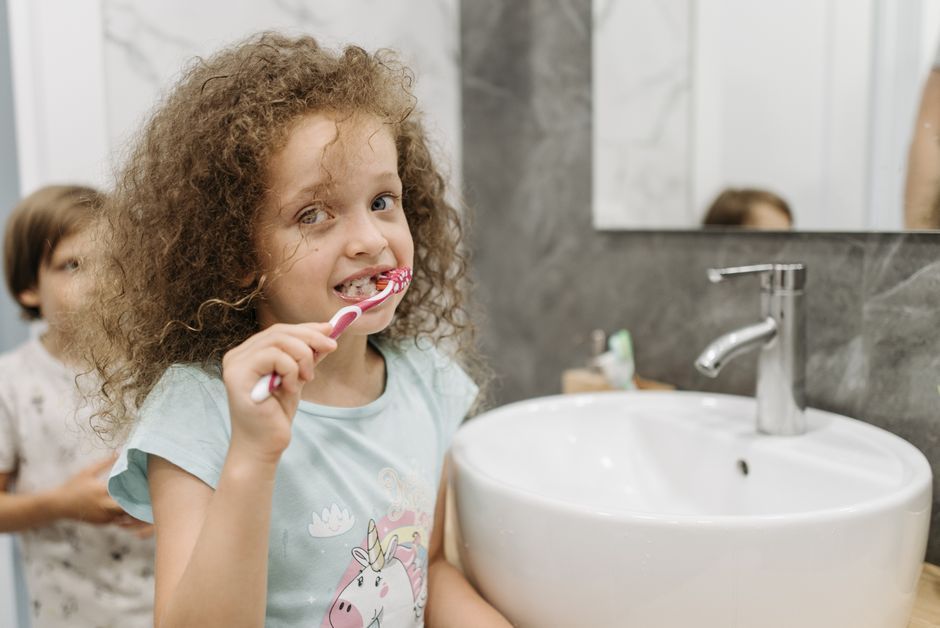
Teaching children proper brushing technique is just as important as choosing the right toothbrush. Even with the perfect brush, poor technique won't effectively remove plaque or prevent cavities. Make brushing a family activity where everyone brushes together, allowing younger children to observe and mimic older siblings and parents. Use songs, timers, or apps to ensure kids brush for the full two minutes recommended by dentists. Establishing these habits early makes oral care a natural part of daily routines rather than a battle, setting your children up for excellent dental health throughout their lives.
5. Replacement Guidelines and Maintaining Brush Hygiene
Knowing when to replace toothbrushes is essential for maintaining effective oral hygiene and preventing bacterial contamination. The general rule recommended by dental professionals is to replace toothbrushes every three to four months, or sooner if the bristles become frayed, splayed, or discolored. However, this timeline can vary significantly based on brushing frequency, technique, and the quality of the toothbrush itself. When bristles lose their shape and start pointing in different directions, they can no longer effectively clean tooth surfaces and may even cause gum irritation. Regular inspection of family members' toothbrushes helps ensure everyone is using brushes in good condition.
Children often need toothbrushes replaced more frequently than adults because they tend to be harder on their brushes, chewing on bristles or using excessive pressure while brushing. Young children learning to brush may wear down a toothbrush in just a few weeks, requiring more frequent replacements to maintain effective cleaning. Some parents find it helpful to stock up on children's toothbrushes so replacements are always available when needed. For electric toothbrushes, replace the brush heads with the same frequency you would replace manual brushes, following any specific guidelines provided by the manufacturer.
Beyond regular replacement, proper storage and hygiene practices significantly impact your toothbrush's cleanliness and effectiveness. After each use, thoroughly rinse your toothbrush under running water to remove toothpaste residue and debris, then shake off excess water and store the brush upright in a holder where it can air dry between uses. Avoid storing toothbrushes in closed containers or covering the brush head, as this creates a moist environment where bacteria, mold, and yeast can thrive. If multiple family members store their brushes in the same holder, ensure they don't touch each other to prevent cross-contamination of bacteria.
Family members should never share toothbrushes, even in emergencies, as this transfers bacteria and increases the risk of infections and illnesses spreading between people. If someone in your household becomes sick with a cold, flu, or other illness, replace their toothbrush once they've recovered to prevent reinfection from bacteria that may have accumulated on the bristles. Similarly, replace toothbrushes after experiencing strep throat, oral infections, or any condition where harmful bacteria might contaminate the brush. Some families designate specific colors or designs for each person to prevent accidental sharing, which can be especially helpful in households with multiple children.
6. Budget-Friendly Strategies for Outfitting the Whole Family
Maintaining proper oral hygiene for an entire family can strain the budget, especially when you factor in replacing toothbrushes every few months for multiple people. However, prioritizing dental health doesn't have to break the bank. Store-brand toothbrushes that meet American Dental Association (ADA) standards can be just as effective as premium name brands, often at a fraction of the cost. Look for the ADA Seal of Acceptance on packaging, which indicates the brush has met rigorous safety and efficacy standards. This seal ensures you're getting a quality product regardless of price point.
Buying toothbrushes in multipacks when they're on sale can significantly reduce costs while ensuring you always have replacements on hand when needed. Many stores offer family packs with multiple brushes at discounted prices, and warehouse clubs provide excellent value for bulk purchases. Stock up during back-to-school sales or when stores run promotions on oral care products. Some families set reminders to replace all toothbrushes on the same schedule, such as at the beginning of each season, making it easier to remember and allowing for bulk purchasing at regular intervals.
If you're considering electric toothbrushes for your family but are concerned about the initial investment, start with one or two for family members who would benefit most, such as children who resist brushing or adults with dexterity issues, while others continue using quality manual brushes. Many dentist offices provide free toothbrushes during checkups, which can help supplement your supply, though these may not always meet every family member's specific needs. Dental insurance plans sometimes offer discounts on preventive care items including electric toothbrushes, so check with your provider about any available benefits.
Remember that investing in quality toothbrushes is significantly less expensive than treating cavities, gum disease, or other dental problems that result from poor oral hygiene. While it might be tempting to choose the cheapest option available, selecting appropriate brushes that your family members will actually use consistently provides better value in the long run. The few dollars saved on an inadequate toothbrush pales in comparison to the hundreds or thousands of dollars that dental treatments can cost. Think of toothbrushes as an investment in your family's health rather than just another expense, and allocate your budget accordingly.
Conclusion
Choosing the right toothbrush for each family member might seem like a simple task, but as we've explored, it involves careful consideration of bristle type, brush size, handle design, and each person's specific needs and abilities. The perfect toothbrush for your teenager isn't necessarily the right choice for your preschooler or for yourself, and understanding these differences ensures everyone can maintain optimal oral health. By selecting soft-bristled brushes appropriate for each person's age and mouth size, deciding between manual and electric options based on individual needs, and maintaining proper replacement and hygiene practices, you're setting your family up for dental success.
At Krothapalli Family Dental, we're passionate about helping families establish and maintain excellent oral health through proper home care and professional dental services. Our team is always happy to provide personalized recommendations for toothbrushes and other oral care products based on your family's unique needs. Don't hesitate to ask questions during your next visit, or call us anytime for guidance. Together, we can ensure that every member of your family has the right tools and knowledge to keep their smiles healthy and bright for years to come. Schedule your family's next dental checkup today and let us partner with you in achieving optimal oral health.