Mouthguards for Fall Sports: Protect Your Child's Smile
From youth soccer to high school football and field hockey, fall sports are in full swing in Nashua and across Southern New Hampshire. Parents are busy with practice schedules, carpools, and sideline snacks, and it is easy for one important piece of gear to slip through the cracks: the mouthguard. At Krothapalli Family Dental, we see the difference a good mouthguard makes, and we want every young athlete in our community to have one.
This guide covers why mouthguards matter, how to choose the right type, how to care for one, and what to do if a tooth gets knocked out.
1. Why Mouthguards Matter More Than Most Parents Think
Dental injuries are among the most common injuries in youth sports, and they happen in more places than the football field. A collision on the soccer pitch, an elbow in a basketball game, a stray field hockey stick, or a fall off a skateboard can chip, crack, or knock out a tooth in an instant. A mouthguard acts like a shock absorber, cushioning the blow and helping protect teeth, lips, cheeks, and the jaw.
The stakes are real. A knocked-out permanent tooth can mean emergency care, ongoing treatment, and costs that stretch on for years, especially for a child whose smile is still developing. Meanwhile, a quality mouthguard costs far less than a single emergency visit. Many school leagues already require mouthguards for sports like football, ice hockey, field hockey, and lacrosse, and dentists commonly recommend them for any activity with a risk of falls or contact.
2. The Three Types of Mouthguards
- Stock mouthguards come ready to wear and are the least expensive option. They also fit the least well, can feel bulky, and may make breathing and talking harder, which means kids are more likely to take them out.
- Boil-and-bite mouthguards are softened in hot water, then molded to the teeth by biting down. They fit better than stock guards and are a popular middle ground, though the fit depends heavily on getting the molding step right.
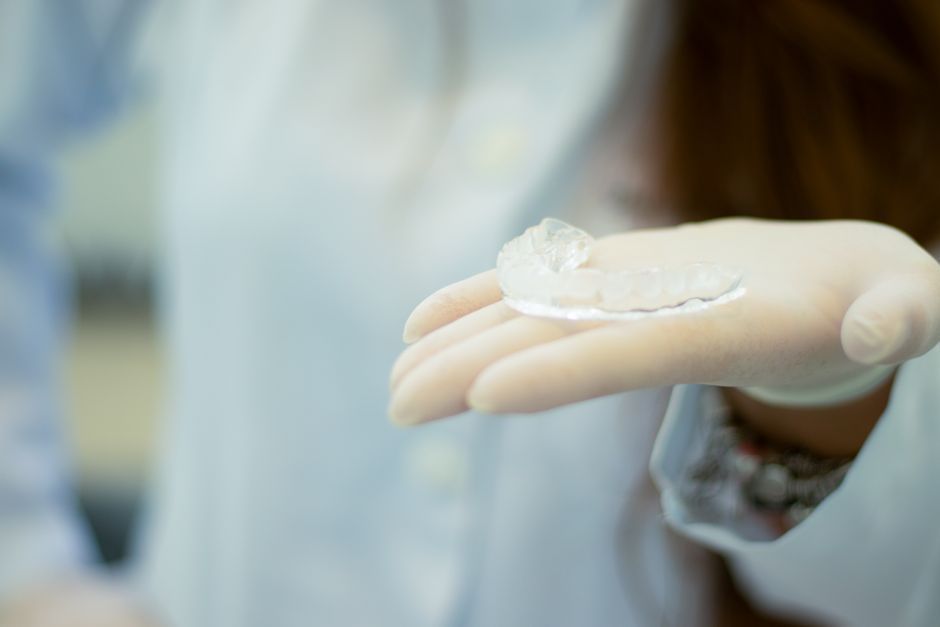
- Custom-fitted mouthguards are made from an impression of your child's teeth. They are the most comfortable and offer the most reliable coverage, which is why many dentists recommend them for regular athletes.
Children with braces need extra attention, since braces call for a guard designed to fit over the hardware. And because kids' mouths change quickly as baby teeth fall out and permanent teeth come in, a guard that fit last season may not fit this one. Ask us at your next checkup whether it is time for a new one.
3. Fit and Care Tips That Make a Mouthguard Last
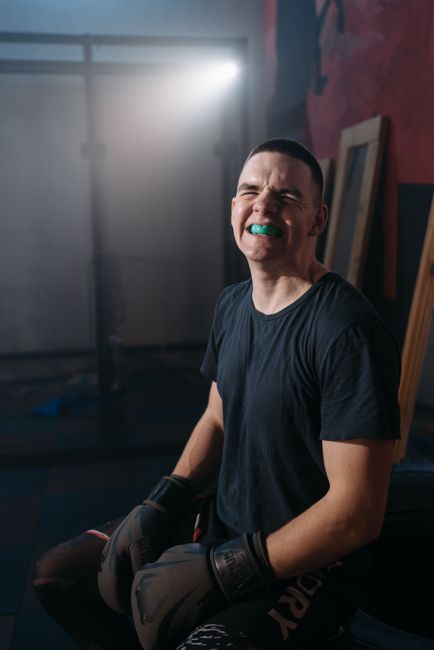
- A good mouthguard should feel snug and stay in place without your child having to clench.
- Rinse it with cool water before and after each use, and brush it gently with a toothbrush and mild soap.
- Store it in a ventilated, hard case, never loose in a gym bag.
- Keep it away from heat. Hot cars, direct sun, and boiling water can warp it.
- Discourage chewing on it, since that wears it down and can create tears.
- Replace it if it is cracked, worn thin, or no longer fits well.
Above all, it only works if it is in your child's mouth. Make it part of the gear bag checklist right next to the cleats and water bottle, for practices as well as games.
4. What to Do If a Tooth Is Knocked Out or Chipped
Even with a mouthguard, accidents happen, and acting quickly makes a big difference. If a permanent tooth is knocked out, stay calm and find the tooth. Pick it up by the crown, the part you normally see, and avoid touching the root. If it is dirty, rinse it gently with milk or water without scrubbing. If your child is old enough and it is safe to do so, you can try placing it gently back in the socket. Otherwise, keep it moist in a cup of milk and head to the dentist right away, ideally within an hour. Do not try to put a baby tooth back in, but do call us so we can check for other damage.
For a chipped or broken tooth, save any fragments you can find and bring them along, and call us the same day. Even a small chip can expose the inner layers of the tooth to infection.
Krothapalli Family Dental: Your Nashua Dental Home
Athletes and families from Nashua, Hudson, Merrimack, Hollis, Amherst, Milford, Litchfield, and Pelham count on us for friendly, thorough care. Our preventive dentistry visits are a great time to talk through mouthguard options and make sure your child's teeth are ready for the season.
Ready to protect your athlete's smile? Contact Krothapalli Family Dental today. Call us at (603) 883-2232 or visit our office at 491 Amherst Street, Suite 100, Nashua, NH 03063.