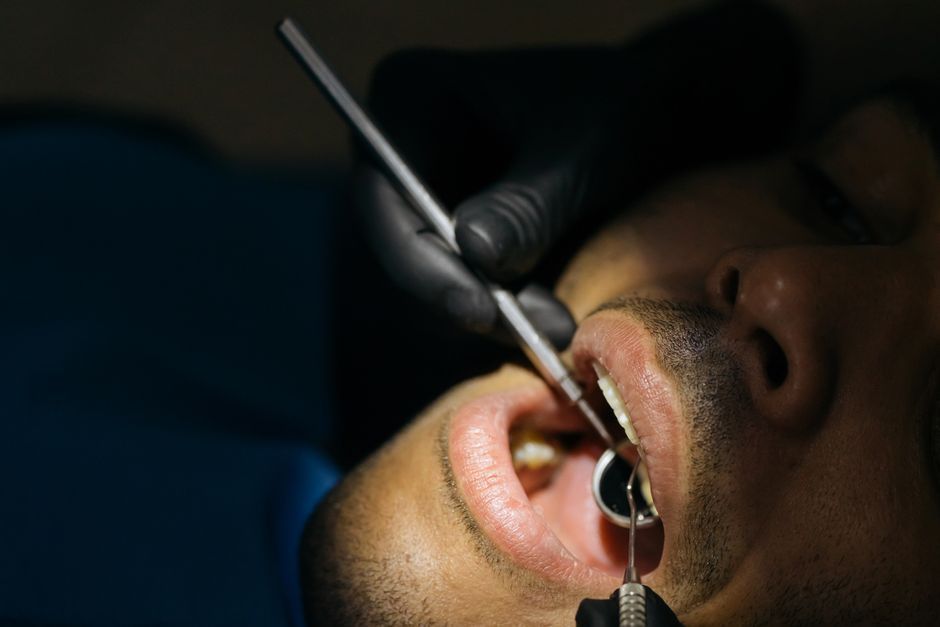
Your Most-Asked Dental Questions — Answered
Every day, patients throughout Nashua and Southern New Hampshire visit our office with the same pressing questions about their oral health. Whether you're experiencing mysterious discomfort, wondering about treatment recommendations, or simply curious if something you've noticed is "normal," you're certainly not alone. These are the exact questions we hear most frequently from our patients — and the straightforward, honest answers you need to make informed decisions about your dental care.
Understanding your dental health should feel empowering, not confusing. When you know what to expect, how to maintain excellent oral hygiene, and when professional intervention is necessary, you can take control of your dental well-being with confidence. Let's address the most common concerns our Nashua patients bring to our attention, covering everything from daily care routines to more complex treatment considerations.
How Often Should I Really Visit the Dentist?
The twice-yearly dental visit recommendation exists because plaque and tartar accumulate continuously in your mouth, even with meticulous home care. Most patients benefit from professional cleanings and comprehensive examinations every six months to remove bacterial buildup that brushing and flossing alone cannot eliminate. These regular appointments allow us to identify and address minor issues before they develop into painful, expensive problems requiring extensive treatment.
Some patients require more frequent professional care based on their individual risk factors. Those with periodontal disease, diabetes, frequent cavities, or certain medications often benefit from cleanings every three to four months. Pregnant women, smokers, and patients with compromised immune systems also typically need closer monitoring to maintain optimal oral health. Your personal health history and current oral condition determine the most appropriate maintenance schedule.
Consistency in your dental care schedule makes the biggest difference in long-term outcomes. Patients who skip appointments for extended periods often discover that minor problems have progressed into major issues requiring root canals, extractions, or extensive periodontal therapy. Regular visits at Krothapalli Family Dental help us keep your mouth healthy and address concerns when they're still easily manageable.
Why Do My Gums Bleed When I Brush?
Bleeding gums represent your mouth's early warning system alerting you to developing problems. Most commonly, this bleeding indicates gingivitis — the initial stage of periodontal disease caused by plaque accumulation along the gum line. When bacterial irritants inflame your gums, they become swollen, tender, and bleed easily during routine oral hygiene. The positive news is that gingivitis responds completely to proper treatment and improved daily care.
Many patients instinctively avoid bleeding areas or brush more gently, but this approach actually perpetuates the problem by allowing more plaque to accumulate. Instead, you need to thoroughly remove the bacterial cause through consistent daily cleaning and professional treatment. Most patients notice dramatic improvement within one to two weeks of implementing proper brushing and flossing techniques combined with professional care.
Untreated bleeding gums can progress to advanced periodontal disease, potentially leading to tooth loss, bone destruction, and connections to serious systemic health conditions including cardiovascular disease and diabetes complications. If you experience persistent gum bleeding, scheduling a comprehensive evaluation allows us to identify the underlying cause and develop an effective treatment strategy tailored to your specific needs.
Do I Really Need to Floss Every Day?
Your toothbrush, regardless of its advanced features, can only effectively clean about 60% of your tooth surfaces. The remaining 40% consists of the tight contact areas between teeth where bacteria thrive undisturbed. These spaces provide perfect conditions for plaque accumulation, and without daily flossing, this plaque mineralizes into tartar that only professional instruments can remove during your dental appointments.
We understand flossing can feel tedious, especially when you're rushed or exhausted. Many patients tell us they floss "sometimes" or primarily before dental appointments. However, daily flossing prevents cavities between teeth, reduces gum inflammation, removes trapped food particles, and significantly improves breath quality. Once you establish a consistent routine, effective flossing takes only two to three minutes and becomes as automatic as brushing your teeth.
If traditional string floss feels awkward or difficult, explore alternative cleaning options. Floss picks work well for accessing posterior teeth, water flossers excel for patients with braces or extensive dental work, and interdental brushes suit those with larger spaces between teeth. The most effective flossing method is simply the one you'll actually use consistently every single day. Our team is always available to demonstrate proper techniques and help you find the approach that works best for your particular situation.
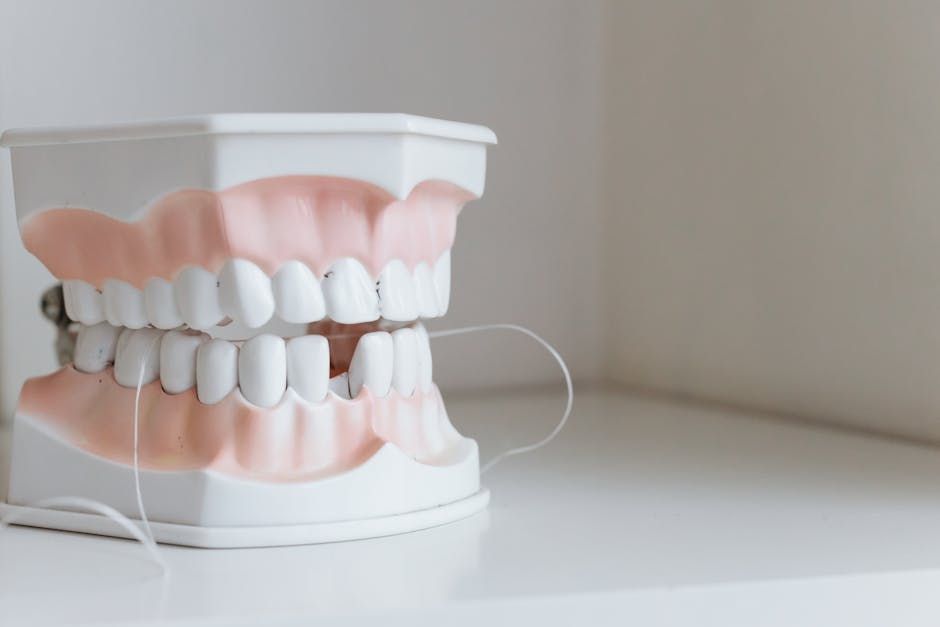
When Should I Worry About Tooth Pain?
Different types of dental discomfort require different levels of urgency, and understanding these distinctions can help you determine when to seek immediate care versus scheduling a routine appointment. Brief, sharp sensitivity to cold drinks or sweet foods typically indicates minor enamel erosion or a small cavity — uncomfortable but not necessarily urgent. However, persistent throbbing pain that disrupts daily activities or sleep usually signals infection or nerve inflammation requiring prompt attention.
Pain that lingers for more than a few seconds after consuming hot or cold substances suggests the problem has progressed beyond surface sensitivity into the tooth's deeper structures. Additional warning signs requiring immediate evaluation include facial swelling, fever, foul taste, or visible swelling around the affected tooth. These symptoms indicate bacterial infection that can spread rapidly throughout your system without appropriate antibiotic treatment and professional intervention.
Even mild, intermittent discomfort deserves professional evaluation before it progresses to more serious stages. Many patients attempt to manage dental pain with over-the-counter medications, hoping the problem will resolve spontaneously. While pain relievers can provide temporary symptom management, they don't address the underlying pathology. Early intervention typically allows for more conservative treatment approaches that preserve more of your natural tooth structure and cost significantly less.
Are Dental X-Rays Safe?
This concern comes up regularly, especially among parents and pregnant patients. Modern digital X-ray technology exposes patients to extremely low radiation levels — equivalent to what you'd receive during a short airplane flight or from natural background radiation over two to three days. The protective lead apron we provide offers additional radiation shielding, and we only recommend radiographic imaging when necessary for accurate diagnosis or comprehensive treatment planning.
X-rays reveal critical information invisible during clinical examination: developing cavities between teeth, infections at tooth roots, bone loss from periodontal disease, impacted wisdom teeth, and various structural abnormalities. Without this diagnostic information, we might miss serious conditions until they cause significant symptoms or require more complex treatment. The minimal radiation exposure from dental X-rays is far outweighed by the substantial benefits of early detection and preventive intervention.
We adhere to strict professional guidelines regarding X-ray frequency based on your age, individual risk factors, and dental history. Most adults need bitewing X-rays every year or two, while full mouth series are typically indicated every three to five years. Children and high-risk patients may require more frequent imaging, while those with excellent oral health and low risk profiles might need radiographs less frequently. We always discuss the rationale for recommended X-rays and answer any questions about radiation exposure.
Krothapalli Family Dental
These frequently asked questions represent the foundation of achieving and maintaining excellent oral health throughout your lifetime. Every person's mouth presents unique challenges and opportunities, making individualized care and open communication with your dental team essential for optimal long-term outcomes.
Ready to get expert answers to your specific dental questions? Contact Krothapalli Family Dental today to schedule your comprehensive appointment. Call us at (603) 883-2232 or visit our office at 491 Amherst Street, Suite 100 in Nashua, proudly serving patients throughout Southern New Hampshire.