Why So Many Kids Are Getting Cavities (And How to Stop It)
Cavities are the most common chronic childhood disease in America — more prevalent than asthma, diabetes, and allergies. And if you're a parent in Nashua, Hudson, Merrimack, Amherst, or the surrounding Hillsborough County area, you've likely heard about or experienced this trend firsthand. Children are developing tooth decay younger, and with greater severity, than previous generations. But here's what's important to understand: cavities are largely preventable.
At Krothapalli Family Dental, we partner with families in Nashua and the surrounding area to help children build healthy smiles from the very beginning. Understanding why so many kids are getting cavities today — and what specifically can be done about it — is the foundation of that partnership.
Hidden Sugar: The Biggest Driver of Childhood Cavities
Sugar fuels the bacteria responsible for tooth decay, and the problem is that sugar is far more pervasive in children's diets than most parents realize. The usual suspects — candy, soda, cookies — are well known. But cavity-causing sugars also hide in juice boxes, flavored milk, sports drinks, granola bars, fruit pouches, and even crackers and pretzels. Starchy foods break down into sugars in the mouth and feed the same bacteria.
Each time a child eats or drinks something sugary, bacteria in the mouth produce acid that attacks enamel for up to 20 minutes. The frequency of exposure matters as much as the total amount consumed. A child who grazes on snacks every hour throughout the day is giving their teeth almost no recovery time between acid exposures. Structured mealtimes — with water as the primary drink between meals — can significantly reduce this risk.
Fluoridated water deserves special mention. Nashua and the greater Hillsborough County area have access to fluoridated municipal water, and choosing tap water over bottled water, juice, or sports drinks is one of the most effective daily habits for protecting children's teeth. Fluoride in drinking water strengthens enamel continuously, around the clock, at no extra cost.

Are You Brushing With Your Kids or Just Watching?
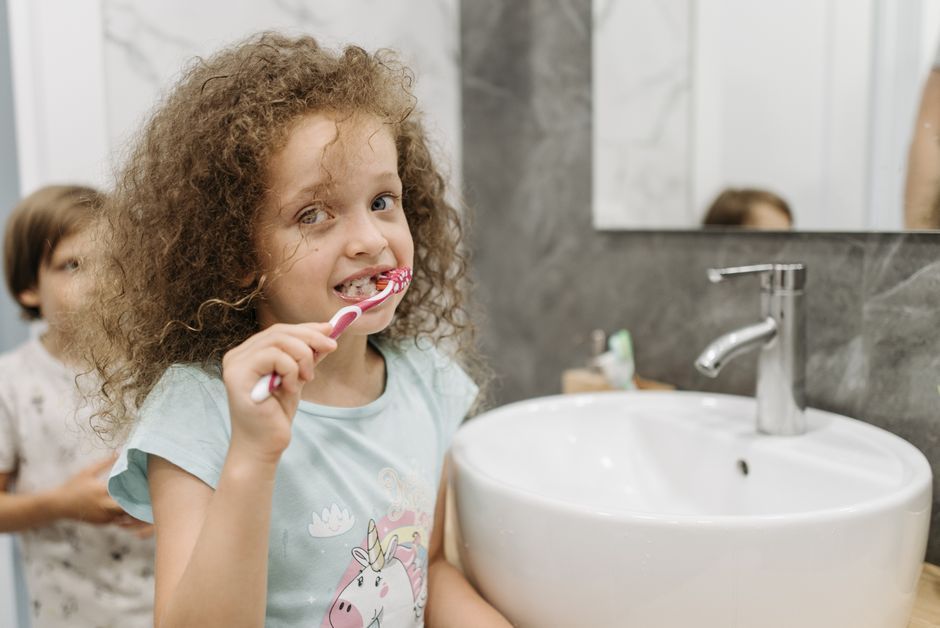
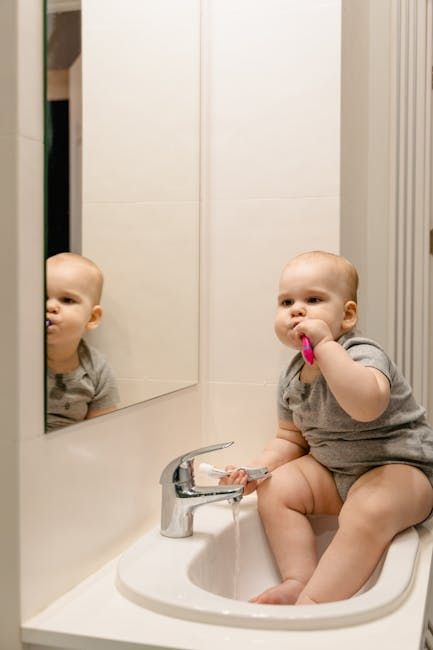
One of the most common conversations we have with parents is about brushing supervision. Children absolutely should be encouraged to brush their own teeth — it builds independence and establishes lifelong habits. But children under 7 or 8 don't yet have the fine motor control to do it thoroughly. They tend to rush, focus on front teeth, and skip the gumline and back molars, which are exactly the areas where cavities most often form.
Dentists recommend that parents actively participate in brushing — letting children brush first, then following up to make sure all surfaces are covered — until around age 7 or 8. Think of it as quality control. The child learns the routine; the parent ensures it's actually working. A two-minute brush that misses the back molars is not doing the job that needs to be done.
Fluoride toothpaste is a critical part of the routine. Children under 3 should use a smear the size of a grain of rice; children 3 to 6 should use a pea-sized amount. Fluoride is proven to strengthen enamel and can reverse very early decay before it becomes a cavity. Always encourage children to spit, not swallow.
Don't Dismiss Baby Teeth — They're More Important Than They Look
Perhaps the most damaging misconception in pediatric dental care is that baby teeth are temporary and therefore unimportant. Many parents reasonably assume that because these teeth will eventually fall out, cavities in them aren't worth treating urgently. This assumption leads to delayed care — and significant long-term consequences.
Baby teeth hold the space in the jaw for permanent teeth. When a baby tooth is lost early due to untreated decay, neighboring teeth drift into the gap. The permanent tooth that eventually erupts has less space and may come in crooked, crowded, or impacted — problems that often require orthodontic treatment that far exceeds the cost of the filling that could have saved the baby tooth. Baby teeth also help children eat, speak clearly, and feel socially confident.
There's also a direct biological link between baby teeth and the developing adult teeth below them. Decay that spreads to the root of a baby tooth can infect or damage the permanent tooth forming beneath it. A cavity in a baby tooth isn't just a problem for today — it's a potential threat to the adult smile that's still years away from erupting.
Sippy Cups and Bottles: A Surprisingly Common Cause of Early Decay
For parents of infants and toddlers, two specific habits account for a significant portion of early childhood cavities: using a sippy cup filled with juice or milk throughout the day, and putting children to bed with a bottle. Both habits keep teeth in prolonged contact with sugary liquids, giving bacteria a constant supply of fuel for acid production.
Baby bottle tooth decay — sometimes called nursing bottle caries — can destroy a toddler's front teeth very rapidly. What often looks like a small brown spot can progress to full-scale decay across multiple teeth within months. The treatment for severe early childhood caries frequently requires sedation or general anesthesia, which is both expensive and stressful for young children and their families. Prevention is dramatically simpler: sippy cups between meals should contain only water, and bottles at bedtime should be phased out as early as possible.
Sealants and Professional Fluoride: Prevention That Pays for Itself
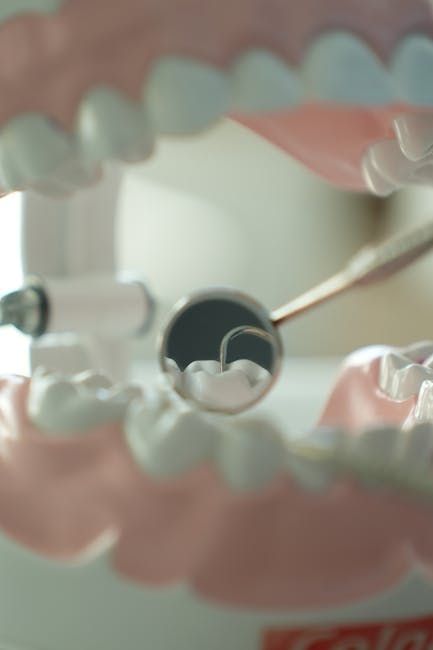
Two clinical tools are particularly effective for children at high risk for cavities: dental sealants and professional fluoride varnish. Sealants are thin, durable plastic coatings applied to the chewing surfaces of back molars. Because molars have deep grooves that trap food and bacteria, they account for the majority of childhood cavities. Sealants fill those grooves and provide a physical barrier against decay — reducing cavity risk in those teeth by up to 80 percent.
Professional fluoride varnish, applied during routine checkups, delivers a concentrated dose of fluoride directly to the enamel. For children with active cavity risk — whether from diet, genetics, or limited access to fluoridated water — this treatment can make a measurable difference. Both procedures take just minutes and cost a fraction of what a single cavity filling would require. At Krothapalli Family Dental, we discuss both options with families as part of each child's individual prevention plan.
The First Dental Visit: Earlier Than You Might Expect
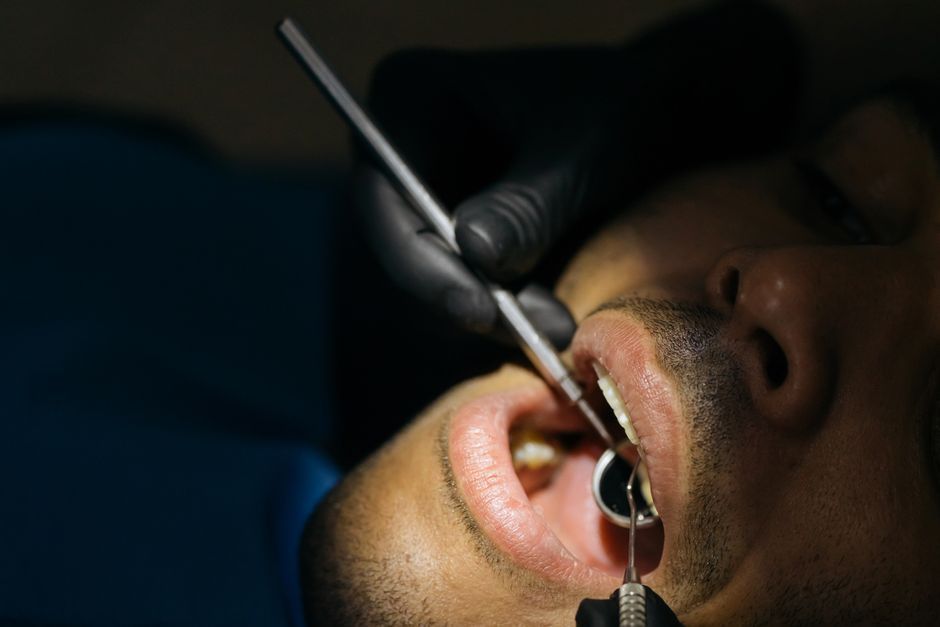
The American Academy of Pediatric Dentistry recommends a child's first dental visit by their first birthday or within six months of their first tooth emerging. Starting this early gives our team the opportunity to catch any early signs of decay, provide parents with personalized guidance on diet, brushing, and habits, and — importantly — allow children to become comfortable at the dentist before any treatment is ever required.
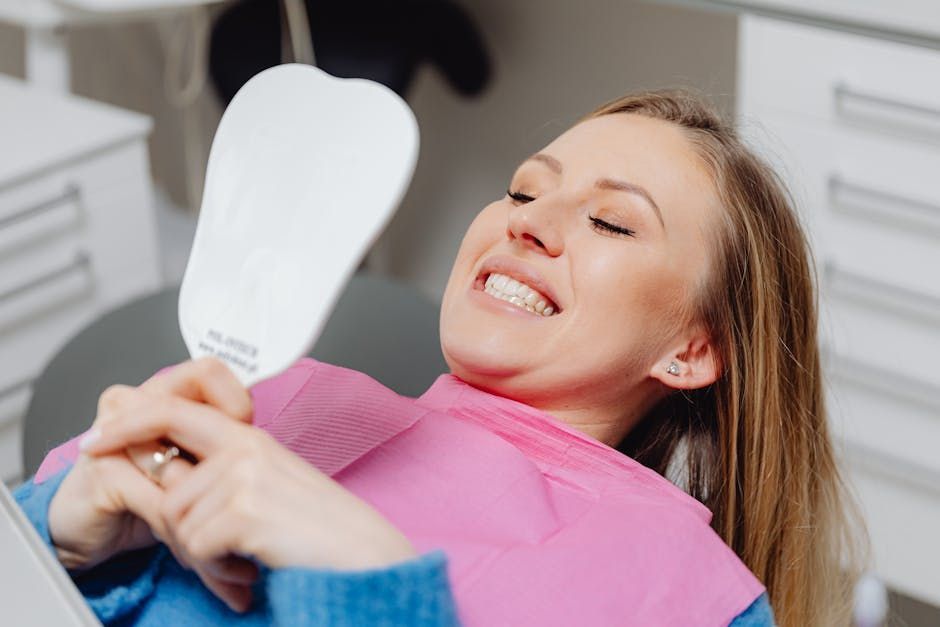
Children who begin dental care early and attend regular six-month checkups develop far better long-term dental health outcomes than those who start later. These routine visits are about far more than cleaning: they're the moment when sealants and fluoride are applied at the right developmental stage, and when small issues are caught before they require significant intervention.
Krothapalli Family Dental
Childhood cavities are common across New Hampshire — but they don't have to be the norm for your child. With the right daily habits at home and consistent professional care, most children can grow up with healthy, strong teeth and avoid the pain, cost, and anxiety of extensive dental treatment. We serve families throughout Nashua, Hudson, Merrimack, Amherst, Hollis, Milford, Litchfield, Pelham, and the surrounding region.
Ready to schedule your child's next checkup or first dental visit? Contact Krothapalli Family Dental today. Call us at (603) 883-2232 or visit our office at 491 Amherst Street, Suite 100, Nashua, NH 03063.