Dental Anxiety: How to Stop Being Scared of the Dentist
Fear of the dentist is one of the most common and least talked-about health challenges adults face. Estimates suggest that over a third of the population experiences meaningful dental anxiety, and for a significant portion of those people, the fear is severe enough to cause years — sometimes decades — of dental avoidance. In Nashua, Hudson, Merrimack, Amherst, and surrounding communities throughout Hillsborough County, many people are quietly managing dental problems they know need attention, but haven't been able to bring themselves to address.
At Krothapalli Family Dental, we want to talk directly about this. Dental anxiety isn't weakness — it's a real psychological response that affects people of all ages, backgrounds, and levels of education. And it's something we work with every day. More importantly, it's something that can be meaningfully improved with the right approach, the right information, and a dental team that genuinely listens.
The Roots of Dental Fear
Dental anxiety most commonly traces back to a past experience — often one from childhood — that was painful, frightening, or emotionally distressing. A difficult extraction, a rushed or insensitive provider, or a procedure that felt out of control can leave a lasting mark on how a person relates to dental care for decades afterward. The brain processes these memories as threats, and the sensory environment of a dental office — the smells, sounds, the tilt of the chair — can trigger those threat responses even when the current situation is perfectly safe.
But not all dental anxiety is rooted in a specific bad memory. For many people, fear of the dentist is more diffuse — a fear of needles, a fear of gagging, a fear of pain, or simply a fear of vulnerability and loss of control. The mouth is an intimate part of the body, and having someone work inside it with instruments requires a level of trust that doesn't always come easily. These fears are completely normal, and they deserve to be addressed with patience rather than dismissed.
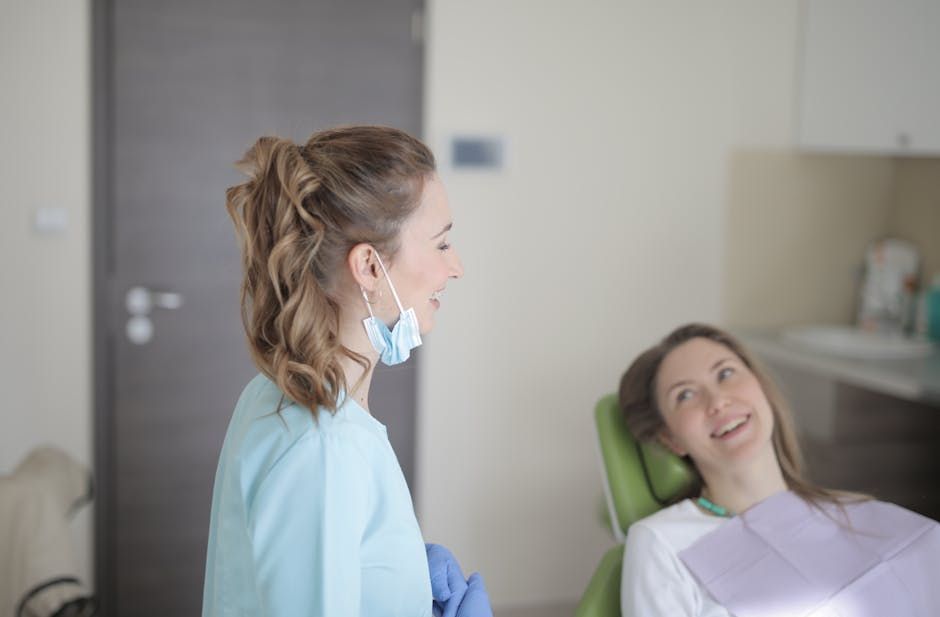
One of the most underacknowledged drivers of dental avoidance is shame. Many patients who have been away for a long time feel deeply embarrassed about the state of their teeth — and that embarrassment becomes a barrier to seeking care, because they assume they'll be judged. We want to say this clearly: at Krothapalli Family Dental, there is no judgment. Every patient who walks through our door in Nashua is treated with respect, compassion, and the understanding that avoidance is almost always driven by fear, not carelessness.
Why Avoiding the Dentist Makes Things Harder
Dental anxiety creates a self-reinforcing cycle that most people recognize but feel powerless to break. Avoiding the dentist allows problems to develop silently — cavities deepen, gum disease advances, small chips become structural issues. When the pain or visible problem finally forces a visit, there's genuinely more to address. This reinforces the belief that the dentist is a place of bad news and uncomfortable procedures — which makes the next visit even harder to motivate.
The good news is that this cycle can be interrupted at any point. The sooner a patient comes in, the smaller the problems are and the easier they are to treat. A tooth with early decay requires a simple filling. The same tooth, left untreated for two more years, may require a root canal and crown. Starting with a low-pressure, no-treatment consultation visit — just a conversation — is often enough to break the inertia and begin building a different experience of dental care.
How Modern Dentistry Has Improved
If your dental anxiety is based on experiences from the past, one of the most helpful things we can tell you is that dentistry today is genuinely different. Techniques are gentler. Anesthetics are more effective and faster-acting. Equipment is quieter. And the culture of how dental teams communicate with patients has shifted dramatically toward transparency, consent, and comfort.
The injection — typically the most feared part of any dental procedure — has become significantly more comfortable with modern technique. Topical numbing gel applied to the gum tissue before the needle dramatically reduces the sensation of the injection itself. Slow, careful delivery and finer-gauge needles make the experience far more manageable than patients anticipate. Many people who have braced themselves for a painful injection are genuinely surprised to realize it was barely noticeable.
We also use a tell-show-do approach with anxious patients: describing what we're about to do before we do it, showing the patient any instrument that will be used, and proceeding only when the patient signals they're ready. Every anxious patient at our practice gets a clear stop signal — usually a raised hand — that pauses everything immediately, no questions asked. This simple agreement restores a sense of control that many fearful patients find to be the single most reassuring part of the visit.
Practical Strategies Before and During Your Visit
Beyond what the dental team does, there are several things anxious patients can do on their own to make appointments more manageable. Telling us about your anxiety before the appointment — even just a note when you call to schedule — allows us to adjust our pace and communication from the very beginning. Morning appointments are often best for anxious patients, as they minimize the time spent anticipating the visit throughout the day.
Bringing headphones with a favorite playlist, podcast, or audiobook is one of the simplest and most effective strategies available. Music and familiar voices are genuinely calming, and creating a personal sensory environment during the appointment can significantly reduce awareness of the sounds and activity around you. Many patients tell us this single change made all the difference.
Breathing exercises are also worth practicing. Slow controlled exhales — breathing in for four counts, holding briefly, and out for six counts — activate the parasympathetic nervous system and physically reduce the body's stress response. Using this technique in the waiting room and throughout any procedure won't eliminate anxiety, but it can take the edge off and make the physical experience of fear more manageable in real time.
Sedation Options for Greater Comfort
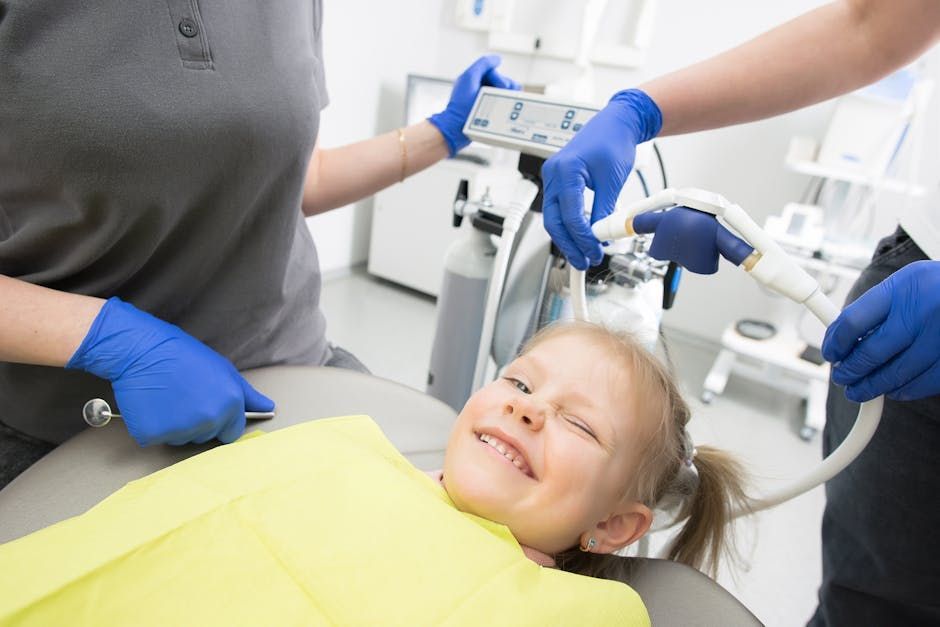
For patients whose anxiety is more significant, sedation options are available. Nitrous oxide — laughing gas — is a mild, inhaled sedative that takes effect within minutes and creates a feeling of calm relaxation and mild detachment from the procedure. It wears off quickly after the mask is removed, doesn't require someone to drive you home, and has a long and excellent safety record. Many patients who try nitrous oxide for the first time describe it as transformative — the experience is simply not as bad as they expected, and often quite manageable.
For deeper anxiety or more involved procedures, oral sedation — a prescription medication taken before the appointment — provides a greater level of relaxation while the patient remains conscious and able to respond. Discussing your level of anxiety with our team is the right starting point for identifying which approach, if any, is appropriate for your situation. There is no level of dental anxiety that is "too much" — our goal is simply to help you access the care you need in a way that works for you.
Krothapalli Family Dental
Dental fear is real, it's common, and it doesn't have to keep you from getting the care you deserve. Whether you've missed a few checkups or haven't been to the dentist in many years, we're here to welcome you without judgment and work with you at whatever pace makes sense. We proudly serve patients throughout Nashua, Hudson, Merrimack, Amherst, Hollis, Milford, Litchfield, Pelham, and the surrounding southern New Hampshire region.
When you're ready, we're here. Contact Krothapalli Family Dental today. Call us at (603) 883-2232 or visit us at 491 Amherst Street, Suite 100, Nashua, NH 03063.