What to Do When a Crown Falls Off
There are few dental surprises more jarring than biting into your lunch and feeling your crown come off. One moment everything is normal; the next, you're holding a small piece of porcelain or metal and staring at a strange, exposed tooth. If this has happened to you — or if you're reading this because it just happened — take a breath. A lost crown is one of the most common dental emergencies we see, and in the vast majority of cases it resolves quickly and cleanly.
At Krothapalli Family Dental, we serve patients throughout Nashua, Hudson, Merrimack, Amherst, Hollis, Milford, and the surrounding Hillsborough County area, and we handle crown emergencies regularly. Here's everything you need to know — what to do right now, what to avoid, and what to expect when you come in.
Immediate Steps: What to Do the Moment It Happens
The first thing to do is locate the crown. It may still be in your mouth, or it may have come off while chewing and ended up on your plate or in your food. Handle it carefully — rinse it gently under warm water to clean it off, but don't scrub it with a brush or use any cleaning products. Then examine it: if the crown appears intact — no cracks, no chips, no visible damage — there's a real possibility that your dentist can simply recement it rather than fabricate a new one. Save it in a small zip-lock bag or container and bring it to your appointment.
Call our office right away. We prioritize crown emergencies and do our best to get patients in the same day or the next day when possible. The longer an exposed tooth goes unprotected, the higher the risk of sensitivity, discomfort, and potential damage — so prompt action genuinely matters. If you're calling after hours, leave a detailed voicemail and we'll reach you first thing in the morning.
While you're waiting, be extremely careful about what you eat and drink. The tooth underneath your crown has been shaped down — it's narrower than a natural tooth and no longer has full structural integrity without its crown. Avoid anything hard (crackers, crusty bread, raw vegetables), sticky (caramel, gummies, chewy candy), or very hot or cold. Even normal chewing pressure can fracture an unprotected prepared tooth, especially if there's any decay involved in why the crown came off in the first place.

How to Protect the Tooth Until Your Appointment
If you can get to a pharmacy, over-the-counter temporary dental cement is your best tool for protecting the exposed tooth and managing discomfort until you see us. Products like Dentemp, Recapit, and TempBond are available without a prescription at most pharmacies and are specifically designed for exactly this situation. They allow you to temporarily reattach the crown and reduce the sensitivity and vulnerability of the exposed tooth.
Using temporary cement is straightforward: make sure both the tooth and the inside of the crown are completely dry before you begin. Apply a small amount of the cement to the inside of the crown, seat the crown carefully over the tooth, and bite down gently and evenly to press it into place. Wipe away any excess that squeezes out from around the edges. Then leave it alone — don't wiggle or adjust it. Temporary cement is not designed to hold through hard or sticky foods, so continue to eat carefully and chew on the opposite side of your mouth.
For sensitivity and discomfort, ibuprofen or acetaminophen in appropriate doses are effective pain management options while you wait. Clove oil — sold in the oral care or natural health section of most pharmacies — can be applied to the exposed tooth with a cotton swab for mild topical numbing relief. What you should absolutely not do: reach for super glue, epoxy, craft glue, or any non-dental adhesive. These products bond chemically in ways that can permanently damage your tooth enamel and the interior of the crown, and they make your dentist's job significantly harder and more expensive to fix.
Understanding Why the Crown Came Off
Crown dislodgement almost always has an identifiable cause, and understanding it is useful both for the treatment conversation with your dentist and for preventing it from happening to your other crowns in the future. Cement failure is the most common culprit. Dental cement is durable but not permanent — over years of exposure to chewing forces, the acids in food and drink, and the constant thermal cycling of eating hot and cold things, the cement bond gradually weakens. Crowns that have been in place for ten or more years are the most common candidates for cement failure.
Decay beneath the crown is another very frequent cause — and one that often surprises patients. Many people assume that a tooth with a crown on it is safe from decay, but bacteria can infiltrate the margin where the crown meets the tooth and begin to erode the tooth structure underneath. As the tooth structure diminishes, the cement bond weakens, and eventually the crown comes loose. This is precisely why we X-ray crowned teeth at routine checkups even when they feel completely fine — decay under a crown rarely causes pain until it's substantial, but it appears on X-rays at a much earlier and more treatable stage.
Teeth grinding (bruxism), chewing ice, biting on hard objects, or habits like opening packages with your teeth can all subject crowns to forces they weren't designed to withstand, accelerating wear on the cement bond. If grinding is a pattern for you, we may recommend a custom night guard, which distributes those forces more evenly and significantly extends the life of your crowns and other restorations.

What to Expect at Your Appointment
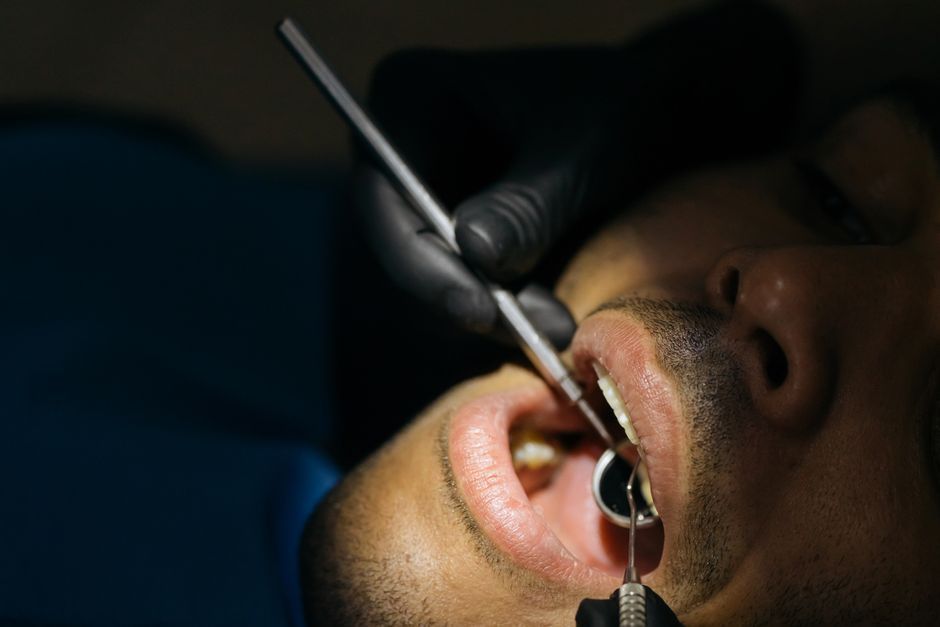
When you come in with a dislodged crown, we start with a thorough examination of the crown itself and the tooth underneath. We assess whether the crown is structurally intact and can be cleaned and recemented, or whether it has been damaged and needs to be replaced. We also carefully evaluate the underlying tooth: we look for signs of new decay, check the remaining tooth structure for any cracks or fractures, and take an X-ray if needed to get a full picture of what's happening below the surface.
If the crown is in good condition and the tooth is healthy, recementation is a simple, typically single-appointment procedure. We clean the tooth and the inside of the crown thoroughly, apply fresh permanent dental cement, seat the crown carefully, verify your bite, and make any adjustments needed. You'll be given guidance on what to eat and avoid for the next 24 hours while the cement fully sets. If the crown needs replacement, we'll take impressions, send them to our dental lab, and place a temporary crown to protect the tooth in the meantime — with the final crown typically ready within one to two weeks.
Krothapalli Family Dental
A crown coming off is always a surprise, but it's rarely the crisis it feels like in the moment. The most important thing is not to wait — protect the tooth, call us promptly, and let our team take it from there. We serve patients throughout Nashua, Hudson, Merrimack, Amherst, Hollis, Milford, Litchfield, Pelham, and surrounding communities across southern New Hampshire.
Crown off? Call us now. Contact Krothapalli Family Dental for a prompt appointment. Call (603) 883-2232 or visit us at 491 Amherst Street, Suite 100, Nashua, NH 03063.